





إعلان

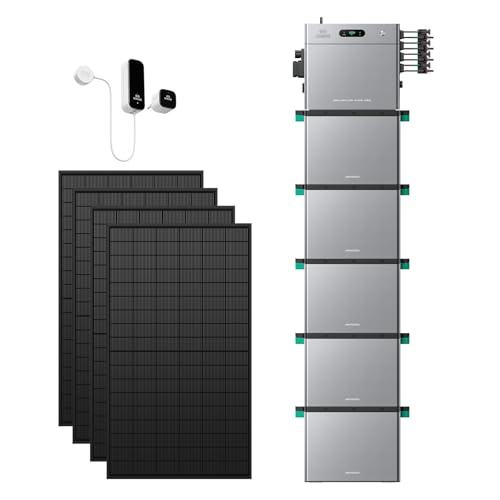
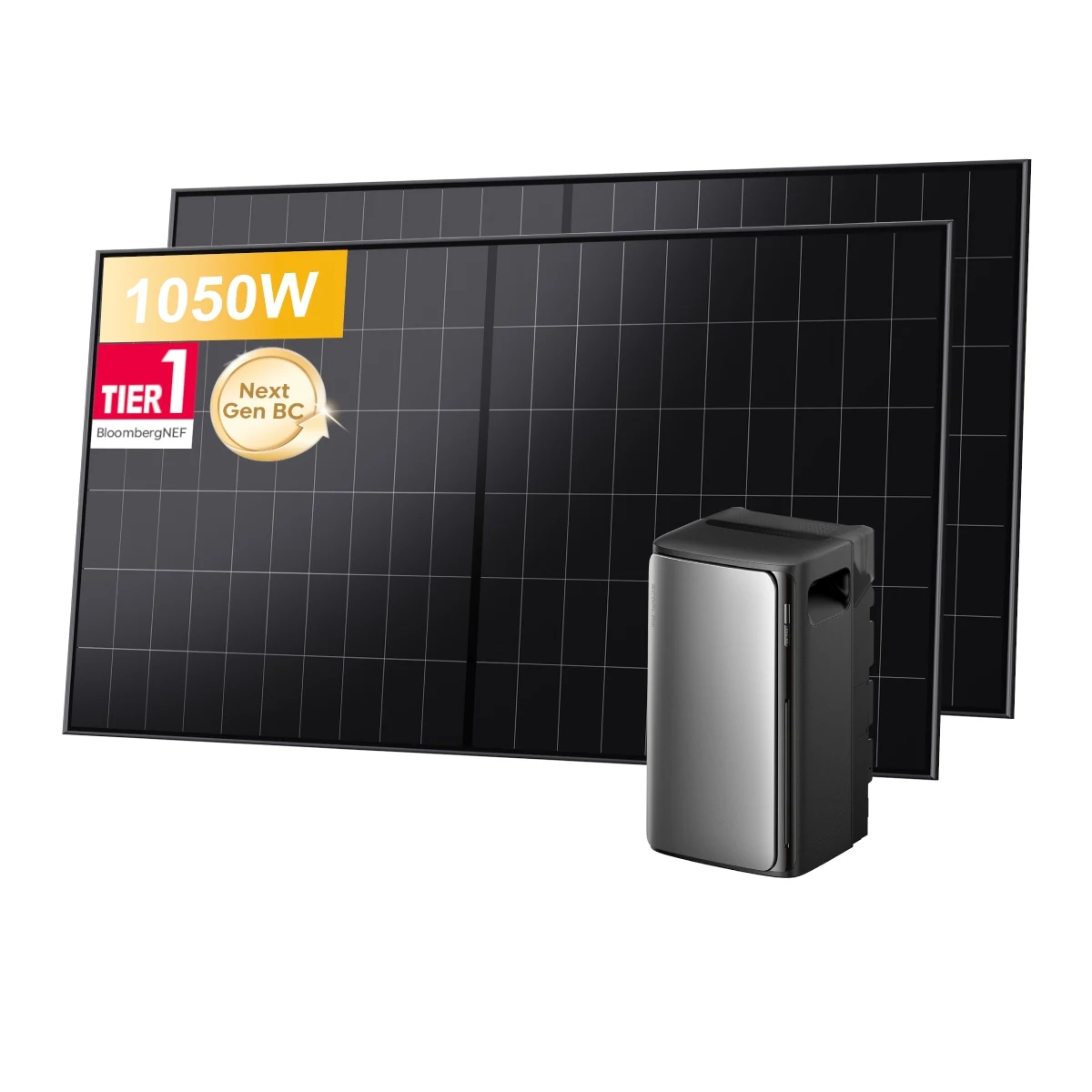
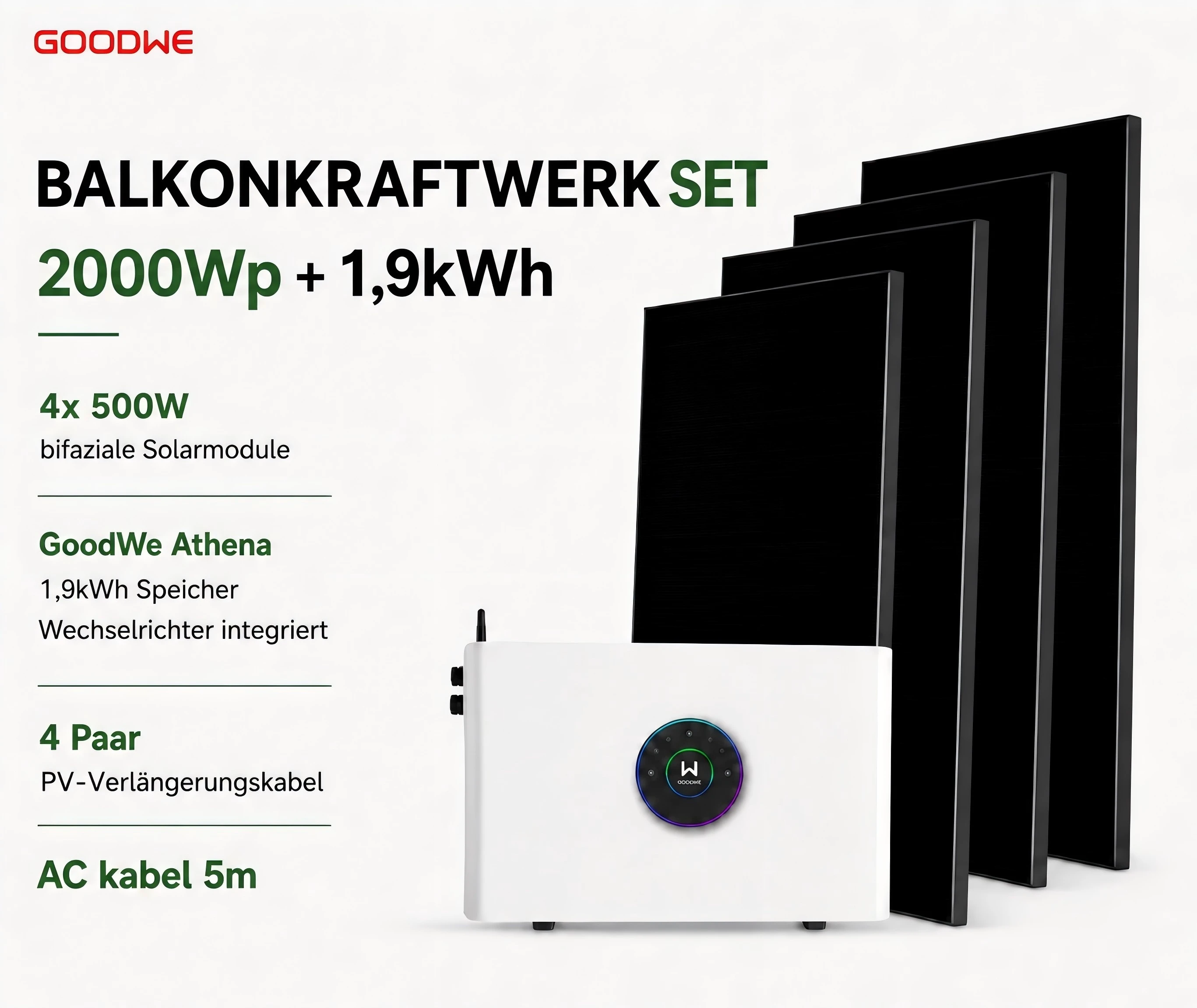
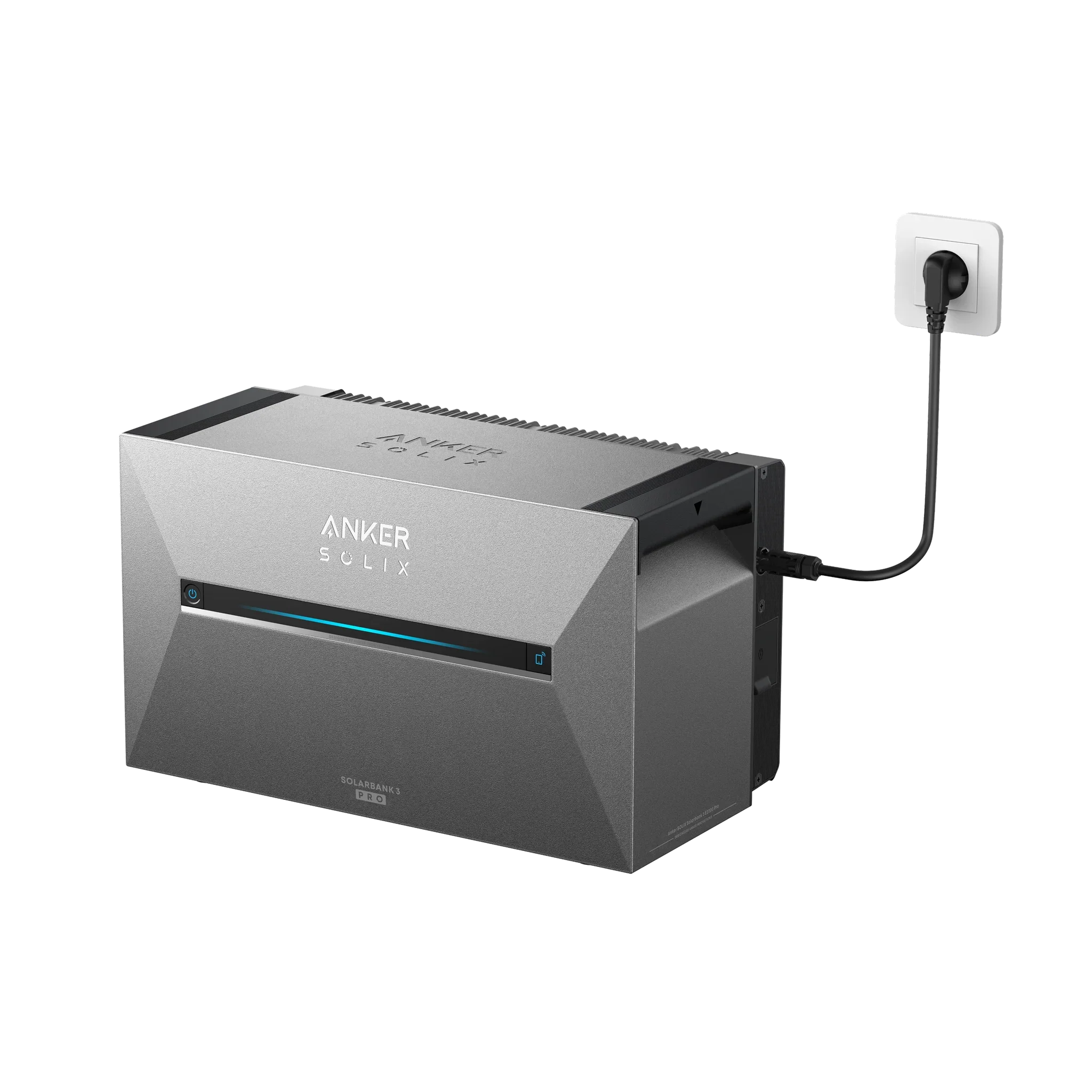
محطة شرفة مع بطارية
مقارنة نظام طاقة شمسية
مع البطارية يمكنك استخدام الكهرباء الشمسية مساءً وليلًا بدلًا من تصديرها إلى الشبكة دون استخدام عند الظهر. قارن هنا المجموعات المكونة من ألواح وعاكس وبطارية – بأسعار مباشرة من عدة متاجر.
EcoFlow STREAM Ultra X 3,84kWh, 0%VAT Balkonkraftwerk mit Speicher …EcoFlow · 2800 Wp · مع تخزين998.88 € Hoymiles HiBattery 4020 X Solar-Stromspeicher 4,02 kWh …Hoymiles · 4000 Wp · مع تخزين995.00 €
 Zendure SolarFlow 800 Pro 2 Balkonkraftwerk mit Speicher, 800W AC-LeistungZENDURE SuperCharged · 800 Wp · مع تخزين469.90 €
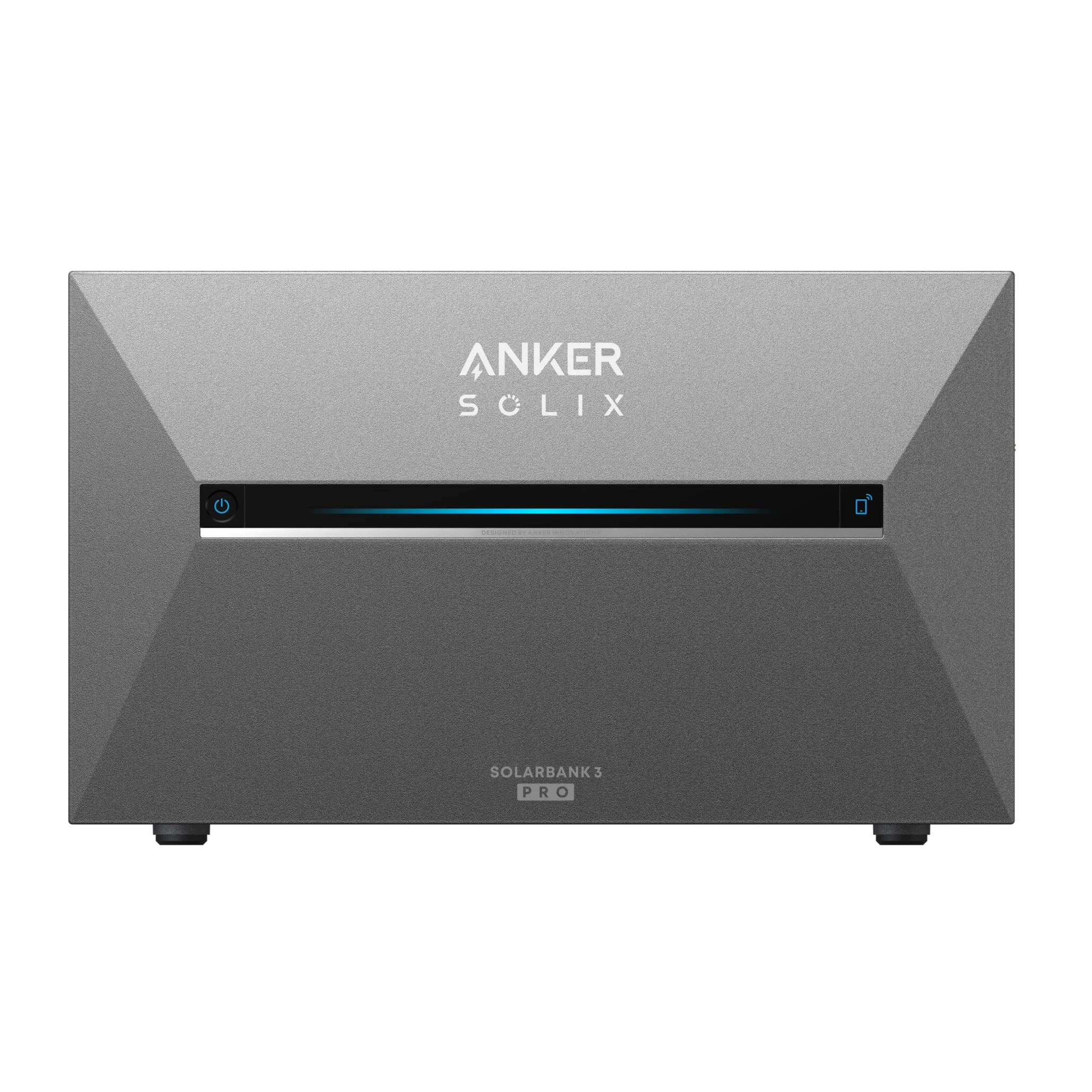
 Anker SOLIX Max AC Solarbank, Plug&Play Balkonkraftwerk mit Speicher …Anker · مع تخزين · محطة طاقة شمسية للشرفة1,599.00 €
 Anker SOLIX 2 Plus Solarbank, Plug&Play Balkonkraftwerk …Anker · 1200 Wp · مع تخزين398.99 €
 Anker SOLIX 4 Pro Solarbank+Smart Meter Gen2, Balkonkraftwerk mit Speicher …Anker · 5000 Wp · مع تخزين1,599.00 €
 EcoFlow STREAM 5000 Balkonkraftwerk mit Speicher 5024 Wh 0% VAT …EcoFlow · 5000 Wp · مع تخزين1,499.00 €
 EcoFlow STREAM AC 5000 Balkonkraftwerk mit Speicher 5024 Wh 0% VAT …EcoFlow · 3000 Wp · مع تخزين1,399.00 €
 ECOFLOW STREAM AC Pro 0% VAT, Balkonkraftwerk mit Speicher …EcoFlow · 2300 Wp · مع تخزين549.00 €
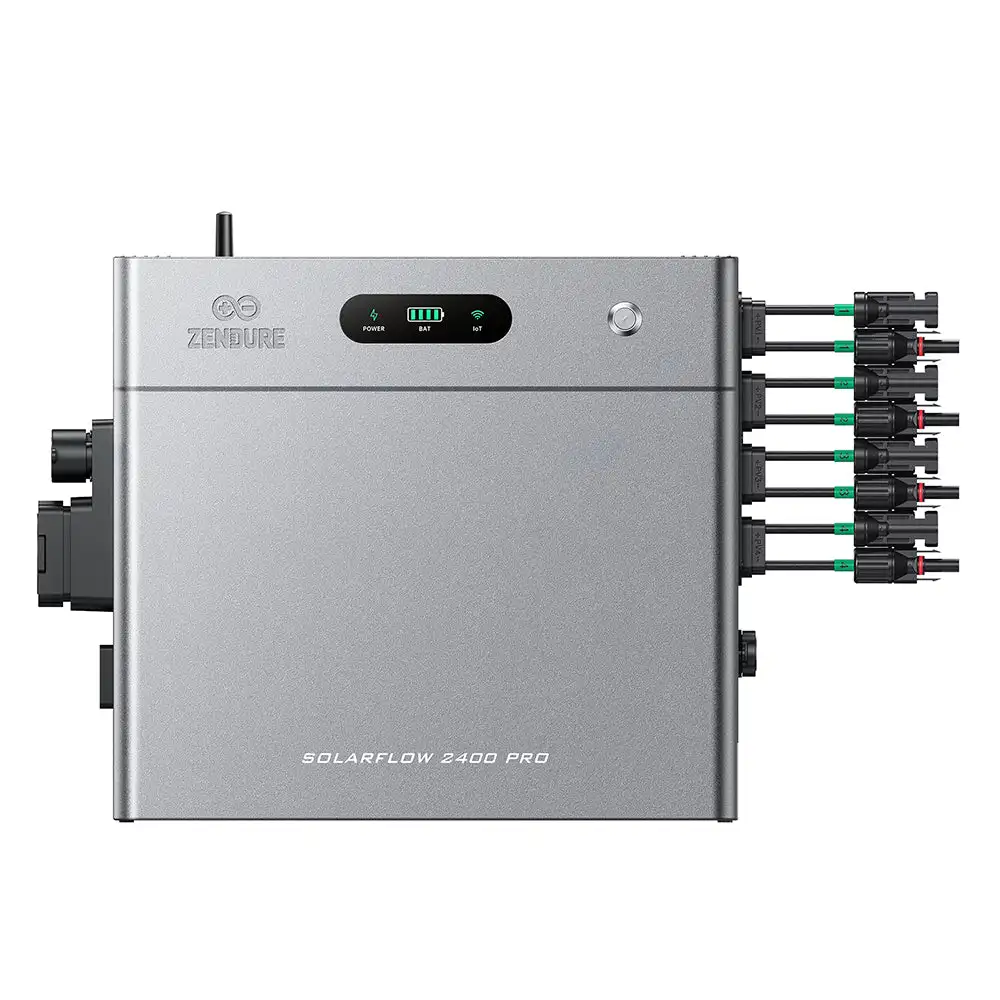
 Zendure SolarFlow 2400 AC+ Balkonkraftwerk mit Speicher, mit 1 AB3000L …ZENDURE SuperCharged · 2400 Wp · مع تخزين1,248.00 €
Amazon (EcoFlow Germany GmbH)إعلان
Amazon (Solarway GmbH)إعلان
Amazon (Greenya Energy)إعلان
Amazon (Anker SOLIX)إعلان
Amazon (Anker SOLIX)إعلان
Amazon (Anker SOLIX)إعلان
Amazon (EcoFlow Germany GmbH)إعلان
Amazon (EcoFlow Germany GmbH)إعلان
Amazon (EcoFlow Germany GmbH)إعلان
Amazon (Zendure_Europe)إعلان
Amazon (Anker SOLIX)إعلان
Amazon (EcoFlow Europe)إعلان
Amazon (EcoFlow Germany GmbH)إعلان
Amazon (Zendure_Europe)إعلان
Amazon (Zendure_Europe)إعلان
Amazon (Zendure_Europe)إعلان
AliExpressإعلان
AliExpressإعلان
AliExpressإعلان
AliExpressإعلان
يتم عرض 24 من 29 طرازات. تصفح جميع أنظمة الطاقة الشمسية باستخدام الفلاتر ←
جديد ومستعمل ومُجدَّد – بمعزل عن مقارنة المتاجر، والأسعار لا يتجاوز عمرها 6 ساعات.
eBay (atc_solarvolt)إعلان
eBay (solarmars_de)إعلان
محطة شرفة مع بطارية
محطة شرفة مع بطارية
محطة شرفة مع بطارية
A balcony power plant produces most of its power around midday, but many households use most of theirs in the morning and evening. Without a battery, it only covers the base load running at the time – fridge, router, devices on standby. Surpluses usually flow into the grid without payment. A battery shifts these surpluses into the evening hours.
Whether it pays off depends mainly on how much surplus you actually generate. With 800 to 1,000 Wp and a flat that's empty during the day, that's far more than when working from home with high daytime consumption. With more panel output, up to the permitted 2,000 Wp, the battery fills up more often and is therefore better utilised.
The systems on offer differ more than the product titles suggest. Compare the following points in particular:
The same applies with a battery: a maximum of 800 watts fed into the home circuit and up to 2,000 Wp of panel output. In the Market Master Data Register, you enter the battery as a separate unit alongside the solar system. The product standard DIN VDE V 0126-95 does not fully cover batteries, so rely on the manufacturer's specifications and certificates.
In Germany, solar panels, inverters and batteries for residential buildings with systems up to 30 kWp qualify for the zero VAT rate under Section 12(3) of the German VAT Act (UStG). That's why many shops show “0% VAT”.
لكثير من الأسر تكون نقطة البداية المعقولة حوالي 1.5 إلى 2.5 kWh. وتصبح البطارية الأكبر أكثر جدوى إذا كانت ألواحك تتجاوز 1,000 Wp بكثير وكان استهلاكك نهارًا قليلًا.
نعم، خاصة البطاريات المقترنة بالتيار المتردد AC يمكن توصيلها بمحطة شرفة قائمة. أما مع الأنظمة المقترنة بالتيار المستمر DC فعليك التحقق من توافق العاكس والموصلات. ثم تضيف البطارية إلى قيدك في Marktstammdatenregister.
لا. حد 800 واط ينطبق على التغذية في الدائرة المنزلية بغض النظر عن البطارية. بعض الأجهزة قادرة تقنيًا على أكثر من ذلك – ولتشغيلها كجهاز طاقة شمسية بالقابس يجب تحديد القدرة بـ 800 واط.
ليس بالضرورة، لكنه مفيد. دون قياس يغذي النظام عادةً وفق ملف ثابت. ومع عداد ذكي أو مقبس قياس ذكي يمكنه مواءمة قدرته مع استهلاكك الحالي.