





Reklama

Elektrownia z magazynem
Porównanie: Instalacja solarna
Z magazynem wykorzystasz prąd słoneczny wieczorem i w nocy, zamiast oddawać go w południe do sieci. Porównaj tu zestawy z panelami, falownikiem i magazynem – z aktualnymi cenami kilku sklepów.
| Zdjęcie | Model | Najważniejsze dane | od | vs cena katalogowa |
|---|---|---|---|---|
| EcoFlow STREAM Ultra X 3,84kWh, 0%VAT Balkonkraftwerk mit Speicher … | 2800 Wp · Z magazynem energii · Elektrownia balkonowa | 998,88 € | −29 % |
 | Hoymiles HiBattery 4020 X Solar-Stromspeicher 4,02 kWh … | 4000 Wp · Z magazynem energii · Elektrownia balkonowa | 995,00 € | – |
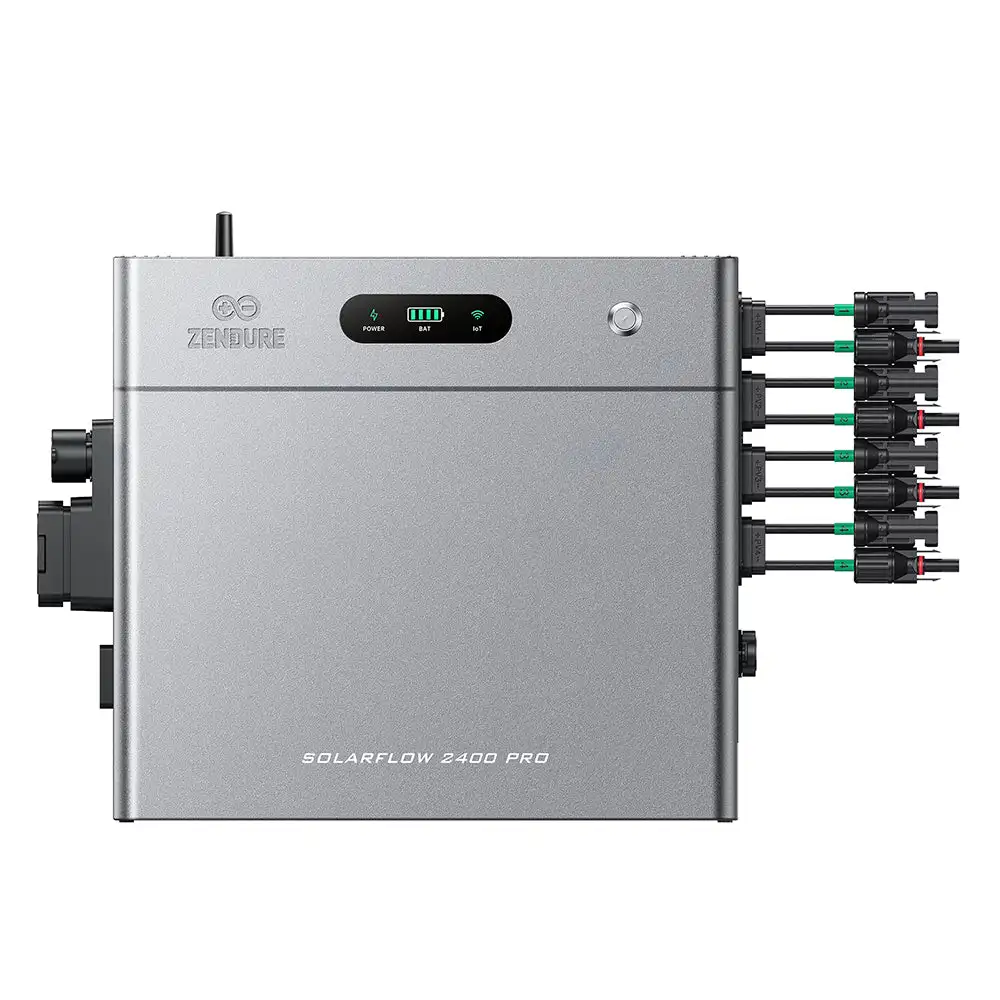
 | Zendure SolarFlow 800 Pro 2 Balkonkraftwerk mit Speicher, 800W AC-Leistung | 800 Wp · Z magazynem energii · Elektrownia balkonowa | 469,90 € | −28 % |
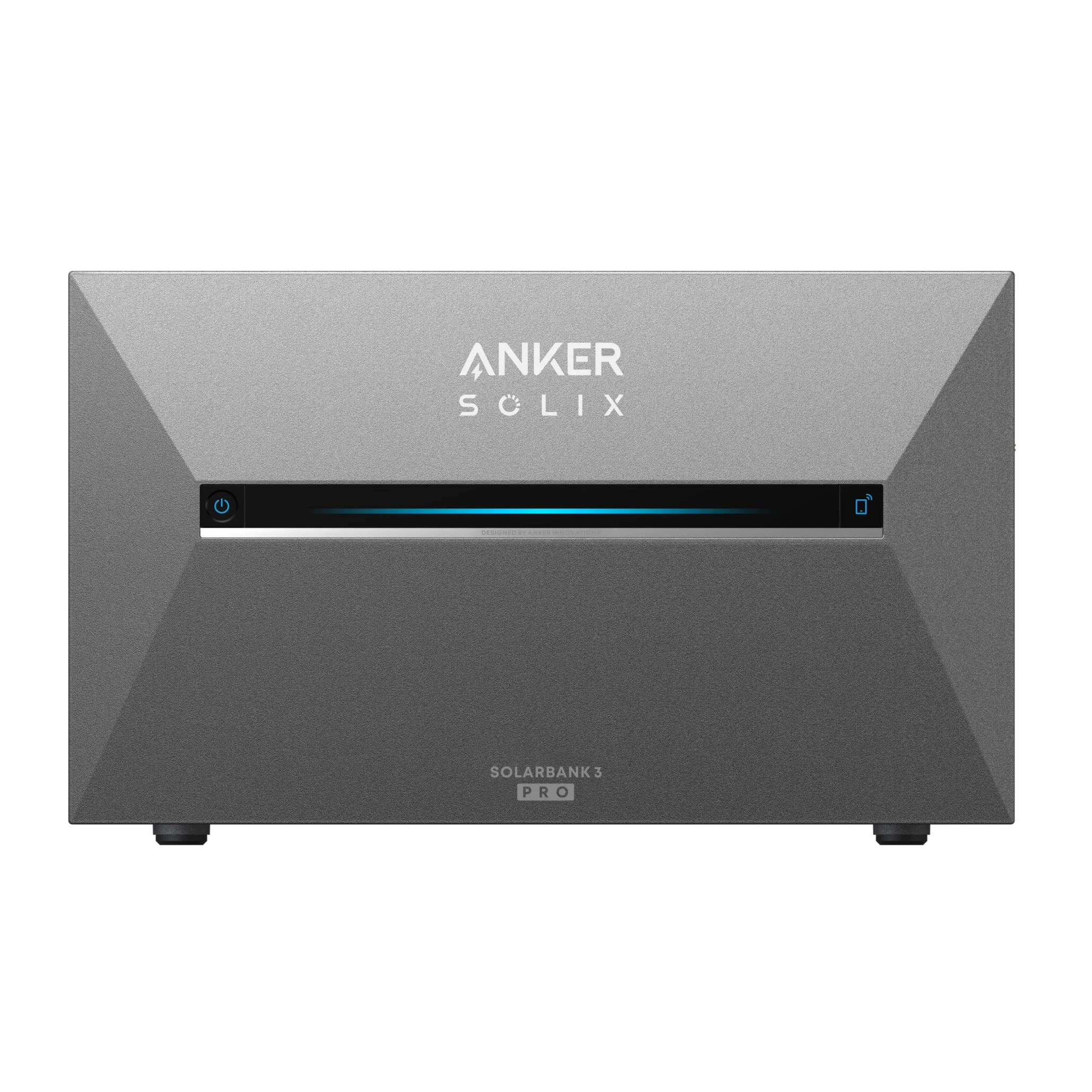
 | Anker SOLIX Max AC Solarbank, Plug&Play Balkonkraftwerk mit Speicher … | Z magazynem energii · Elektrownia balkonowa | 1599,00 € | −30 % |
 | Anker SOLIX 2 Plus Solarbank, Plug&Play Balkonkraftwerk … | 1200 Wp · Z magazynem energii · Elektrownia balkonowa | 398,99 € | −11 % |
 | Anker SOLIX 4 Pro Solarbank+Smart Meter Gen2, Balkonkraftwerk mit Speicher … | 5000 Wp · Z magazynem energii · Elektrownia balkonowa | 1599,00 € | −10 % |
 | EcoFlow STREAM 5000 Balkonkraftwerk mit Speicher 5024 Wh 0% VAT … | 5000 Wp · Z magazynem energii · Elektrownia balkonowa | 1499,00 € | −6 % |
 | EcoFlow STREAM AC 5000 Balkonkraftwerk mit Speicher 5024 Wh 0% VAT … | 3000 Wp · Z magazynem energii · Elektrownia balkonowa | 1399,00 € | −7 % |
 | ECOFLOW STREAM AC Pro 0% VAT, Balkonkraftwerk mit Speicher … | 2300 Wp · Z magazynem energii · Elektrownia balkonowa | 549,00 € | −8 % |
 | Zendure SolarFlow 2400 AC+ Balkonkraftwerk mit Speicher, mit 1 AB3000L … | 2400 Wp · Z magazynem energii · Elektrownia balkonowa | 1248,00 € | −17 % |
EcoFlow STREAM Ultra X 3,84kWh, 0%VAT Balkonkraftwerk mit Speicher …EcoFlow · 2800 Wp · Z magazynem energii998,88 €Hoymiles HiBattery 4020 X Solar-Stromspeicher 4,02 kWh …Hoymiles · 4000 Wp · Z magazynem energii995,00 €Zendure SolarFlow 800 Pro 2 Balkonkraftwerk mit Speicher, 800W AC-LeistungZENDURE SuperCharged · 800 Wp · Z magazynem energii469,90 €Anker SOLIX Max AC Solarbank, Plug&Play Balkonkraftwerk mit Speicher …Anker · Z magazynem energii · Elektrownia balkonowa1599,00 €Anker SOLIX 2 Plus Solarbank, Plug&Play Balkonkraftwerk …Anker · 1200 Wp · Z magazynem energii398,99 €Anker SOLIX 4 Pro Solarbank+Smart Meter Gen2, Balkonkraftwerk mit Speicher …Anker · 5000 Wp · Z magazynem energii1599,00 €EcoFlow STREAM 5000 Balkonkraftwerk mit Speicher 5024 Wh 0% VAT …EcoFlow · 5000 Wp · Z magazynem energii1499,00 €EcoFlow STREAM AC 5000 Balkonkraftwerk mit Speicher 5024 Wh 0% VAT …EcoFlow · 3000 Wp · Z magazynem energii1399,00 €ECOFLOW STREAM AC Pro 0% VAT, Balkonkraftwerk mit Speicher …EcoFlow · 2300 Wp · Z magazynem energii549,00 €Zendure SolarFlow 2400 AC+ Balkonkraftwerk mit Speicher, mit 1 AB3000L …ZENDURE SuperCharged · 2400 Wp · Z magazynem energii1248,00 €Amazon (EcoFlow Germany GmbH)Reklama
Amazon (Solarway GmbH)Reklama
Amazon (Greenya Energy)Reklama
Amazon (Anker SOLIX)Reklama
Amazon (Anker SOLIX)Reklama
Amazon (Anker SOLIX)Reklama
Amazon (EcoFlow Germany GmbH)Reklama
Amazon (EcoFlow Germany GmbH)Reklama
Amazon (EcoFlow Germany GmbH)Reklama
Amazon (Zendure_Europe)Reklama
Amazon (Anker SOLIX)Reklama
Amazon (EcoFlow Europe)Reklama
Amazon (EcoFlow Germany GmbH)Reklama
Amazon (Zendure_Europe)Reklama
Amazon (Zendure_Europe)Reklama
Amazon (Zendure_Europe)Reklama
AliExpressReklama
AliExpressReklama
AliExpressReklama
AliExpressReklama
Wyświetlono 24 z Modele: 29. Przeglądaj wszystkie Instalacje solarne z filtrami →
Nowe, używane i odnowione – oddzielnie od porównania sklepów, ceny maks. sprzed 6 godzin.
eBay (atc_solarvolt)Reklama
eBay (solarmars_de)Reklama
Elektrownia z magazynem
Elektrownia z magazynem
Elektrownia z magazynem
A balcony power plant produces most of its power around midday, but many households use most of theirs in the morning and evening. Without a battery, it only covers the base load running at the time – fridge, router, devices on standby. Surpluses usually flow into the grid without payment. A battery shifts these surpluses into the evening hours.
Whether it pays off depends mainly on how much surplus you actually generate. With 800 to 1,000 Wp and a flat that's empty during the day, that's far more than when working from home with high daytime consumption. With more panel output, up to the permitted 2,000 Wp, the battery fills up more often and is therefore better utilised.
The systems on offer differ more than the product titles suggest. Compare the following points in particular:
The same applies with a battery: a maximum of 800 watts fed into the home circuit and up to 2,000 Wp of panel output. In the Market Master Data Register, you enter the battery as a separate unit alongside the solar system. The product standard DIN VDE V 0126-95 does not fully cover batteries, so rely on the manufacturer's specifications and certificates.
In Germany, solar panels, inverters and batteries for residential buildings with systems up to 30 kWp qualify for the zero VAT rate under Section 12(3) of the German VAT Act (UStG). That's why many shops show “0% VAT”.
Dla wielu gospodarstw rozsądnym punktem wyjścia jest ok. 1,5–2,5 kWh. Większy magazyn bardziej się opłaca, gdy masz znacznie ponad 1 000 Wp paneli i zużywasz mało prądu w dzień.
Tak, zwłaszcza magazyny sprzęgane po stronie AC można podłączyć do istniejącej elektrowni. Przy systemach DC trzeba sprawdzić zgodność falownika i złączy. Następnie dopisujesz magazyn do wpisu w Marktstammdatenregister.
Nie. Limit 800 W dla oddawania do sieci domowej obowiązuje niezależnie od magazynu. Niektóre urządzenia technicznie potrafią więcej – aby działać jako wtykowe urządzenie solarne, moc musi być ograniczona do 800 W.
Niekoniecznie, ale się przydaje. Bez pomiaru system oddaje zwykle według stałego profilu. Z inteligentnym licznikiem lub gniazdkiem pomiarowym dopasuje moc do bieżącego zużycia.