Reklama
Panele 12 V do kampera
Porównanie: Instalacja solarna
W systemach wyspowych z akumulatorem standardem są panele 12 V. Tu znajdziesz sztywne panele monokrystaliczne do kamperów, altan i łodzi – z aktualnymi cenami kilku sklepów.
| Zdjęcie | Model | Najważniejsze dane | od |
|---|---|---|---|
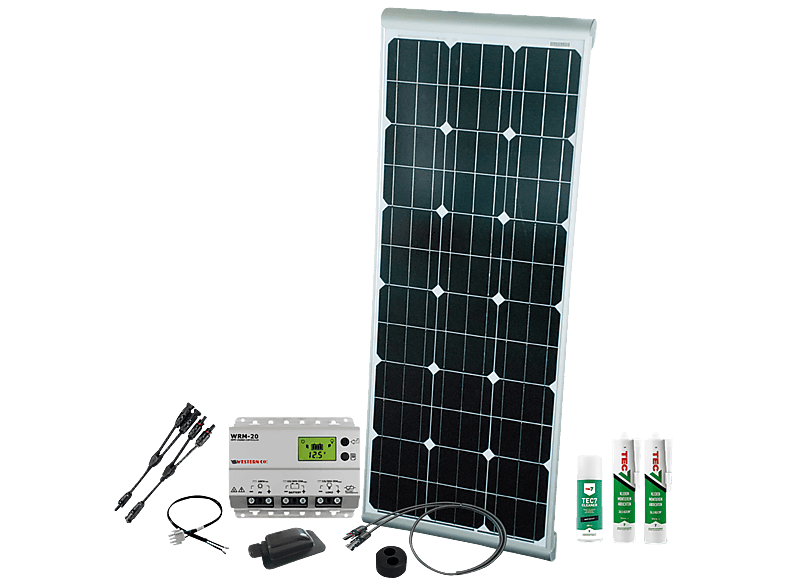 | PHAESUN 600448 Base Camp Aero MPPT WRM20 240 W Caravan Kit | 240 Wp | 425,13 € |
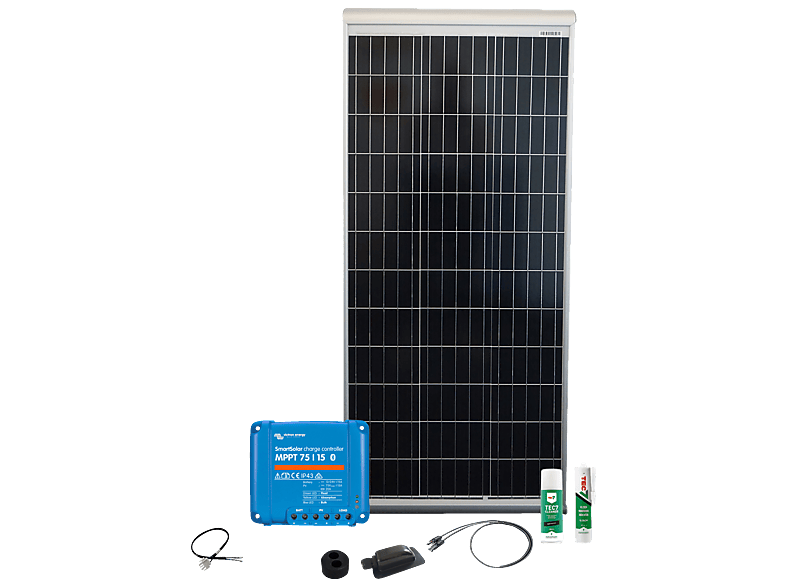 | PHAESUN 600447 Base Camp Aero MPPT SMS15 120 W Caravan Kit | 120 Wp | 299,99 € |
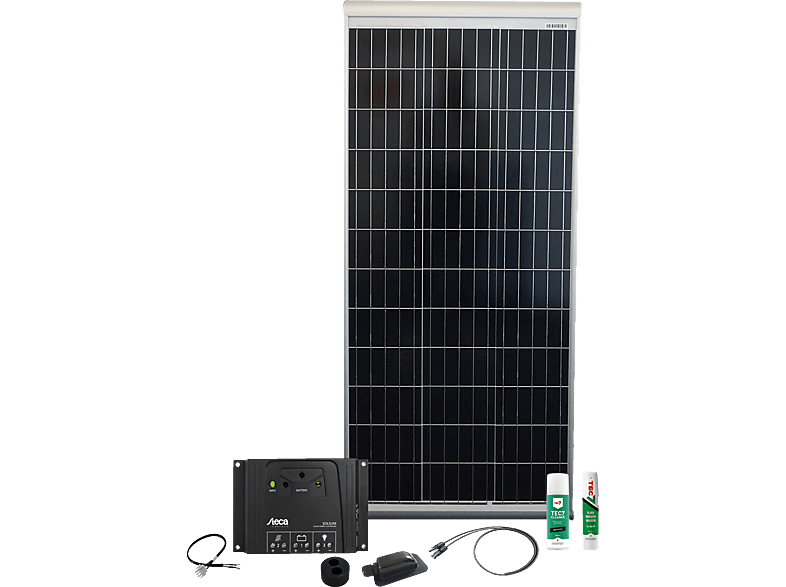 | PHAESUN 600446 Base Camp Aero SOL10 120 Caravan Kit | – | 223,07 € |
MediaMarktReklama
MediaMarktReklama
MediaMarktReklama
Dla tego porównania jest obecnie tylko kilka pasujących ofert.
Nasz asortyment jest aktualizowany codziennie. Zajrzyj później albo przejrzyj całą ofertę.
Przeglądaj wszystkie Instalacje solarnePanele 12 V do kampera
Panele 12 V do kampera
Panele 12 V do kampera
“12 V” refers to the battery voltage a panel is designed for. The actual panel voltage is higher – usually around 18 to 23 volts open circuit – so that the charge controller can fully charge the battery. A solar charge controller always belongs between panel and battery; it manages the end-of-charge voltage and charging profile to suit the battery (lead-acid, AGM, gel or LiFePO4).
An MPPT charge controller gets more out of the panel than a simple PWM controller, especially with changing irradiance and higher panel voltage. With several panels in series, you need one anyway, because the voltage is then above the battery voltage.
A simple back-of-the-envelope calculation helps you choose:
Rigid panels with aluminium frames are durable, well ventilated and can be securely fixed to the roof with spoilers or brackets. Flexible panels save weight and fit curved roofs, but age faster. The same considerations apply to garden sheds and boats; on boats, also make sure the connectors are saltwater-resistant. Larger panels of 36 V or more are suitable for 24 V systems or MPPT controllers with a higher input voltage.
Many listings bundle several output levels into one offer (“100W 200W 300W”) – the price shown then usually applies to the smallest variant. Check in the shop which version you're actually selecting. Also check whether a charge controller, cables or brackets are included. Some panels are offered with “0% VAT”; in Germany, the zero rate applies to systems on residential buildings, not automatically to every mobile use.
Tak. Regulator chroni akumulator przed przeładowaniem i zapewnia właściwy profil ładowania. Panel podłączony bezpośrednio mógłby uszkodzić akumulator.
Regulatory MPPT lepiej wykorzystują moc paneli, zwłaszcza przy łączeniu szeregowym i zmiennym świetle. PWM są tańsze i wystarczą dla małych pojedynczych paneli.
To zależy od zużycia. Wielu kamperowcom latem wystarcza 200–400 Wp; jeśli chcesz być niezależny lub podróżować zimą, potrzebujesz więcej mocy i pojemności akumulatora.
Tylko jeśli napięcie i prąd pasują do falownika, zwykle przez połączenie szeregowe. W elektrowniach balkonowych częściej stosuje się większe panele o wyższym napięciu – są tańsze w przeliczeniu na Wp.