
Bifacial solar panels compared
1 Solar systems from established makers · Selection index 100.0 ±0.0% 7 d · avg €1,179 · as of 18/10/2026
Price table · 1 Solar systems
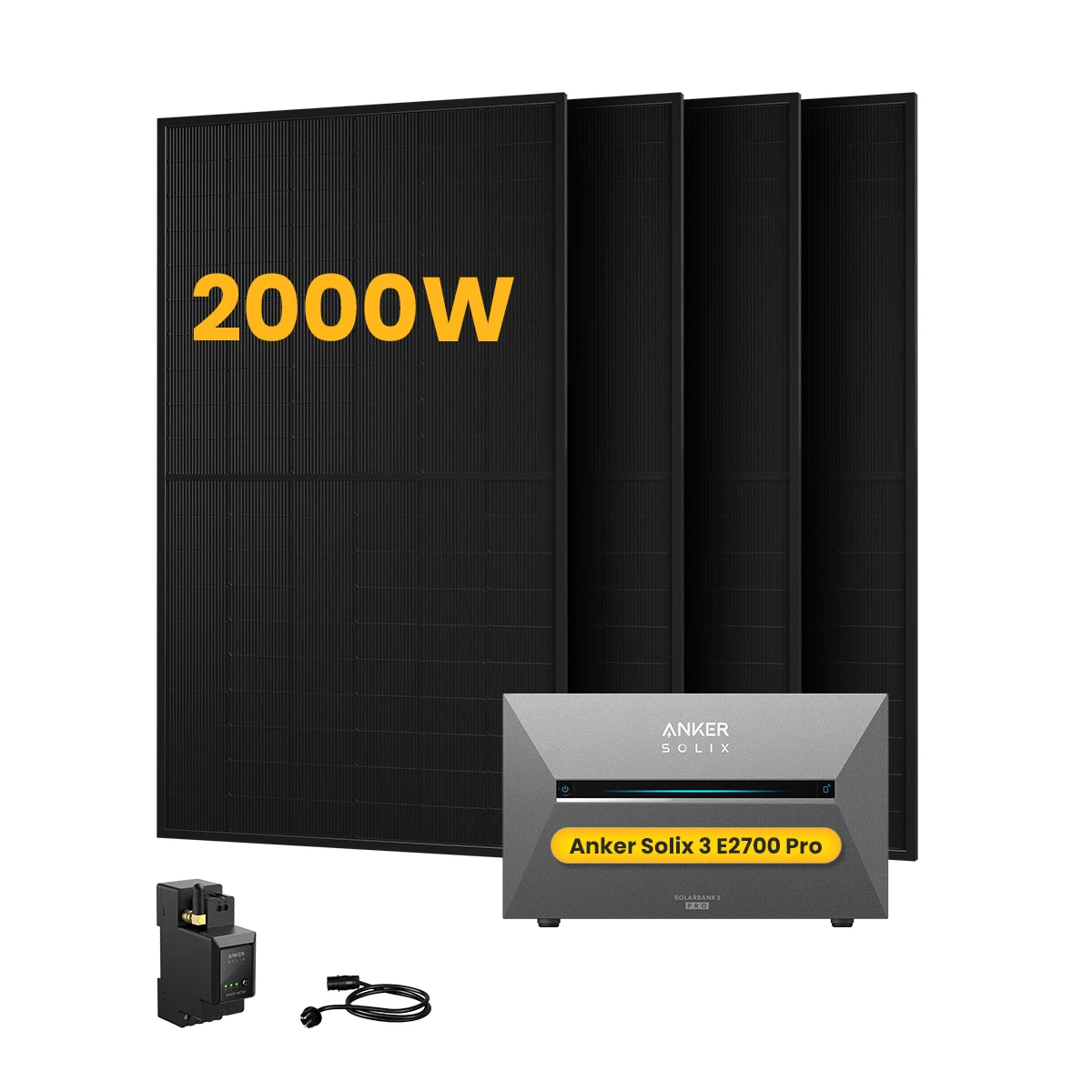
Bifacial panels also capture light on their rear side. Compare glass-glass panels for balcony power plants, gardens and motorhomes here – with live prices from several shops.
How rear-side yield works
In bifacial panels, the cells are embedded between two panes of glass and the rear side lets light through. Light reflected from the ground, a light-coloured wall or gravel generates extra power. How much depends heavily on the surroundings: a bright surface and distance from whatever is behind the panel help, while a dark wall directly behind it adds almost nothing.
Manufacturers often state the extra yield as a “bifaciality factor” or a percentage range. Such figures are maximums under favourable conditions. It's better to plan conservatively and treat the rear-side gain as a bonus.
Where bifacial panels make sense
Not every mounting location makes equally good use of the rear side:
- Mounting frames in the garden or on a flat roof: good clearance from the ground, light-coloured gravel or roof surfaces – this is where the technology pays off most.
- Balcony railing: the rear faces the balcony floor, which reflects some light; a small bonus is possible.
- Vertical on a fence or façade facing east-west: both sides take turns getting direct sun.
- Directly on a dark surface or without clearance: practically no added benefit – a cheaper standard panel will do the job.
Robustness and weight
The glass-glass design protects the cells well against moisture and micro-cracks, which is why many manufacturers offer longer product and performance warranties. The downside is weight: a 450 Wp panel can easily weigh over 20 kilograms. Check the load capacity of the mount and only clamp the panel in the areas approved by the manufacturer, so the glass isn't put under stress.
What to look for when comparing
Compare the price per Wp and use the front-side rated output as the basis, not the maximum output advertised including rear-side gain. Check the performance warranty – often 25 to 30 years for glass-glass panels – and the guaranteed residual output at the end. Dimensions, frame height and permitted clamping areas also matter, so the panel fits your mount. For the power that actually reaches the inverter, what counts are the front-side electrical values plus a realistic, rather small extra.