
Flexible solar panels compared
43 Solar systems · Selection index 100.8 −0.1% 7 d · avg €169 · as of 18/10/2026
Price table · 43 Solar systems
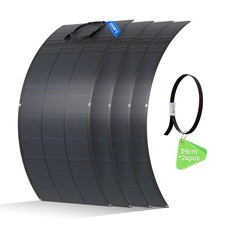 FLE·SOLARMOD800W Flexibles Solarmodul Solarpanel für Wohnmobil€360±0.0%
 LIO·BALKONKRLionshee Balkonkraftwerk 960W/800W Solaranlage mit FLEXIBEL€384−6.0%
 FLE·SOLARPAN200W - 1000W Flexibel Solarpanel Kit Solarmodul Camper€399±0.0%
 BAL·SETBalkonkraftwerk Set - RC® MI2S-800D + 200W*4 Flexible€293±0.0%
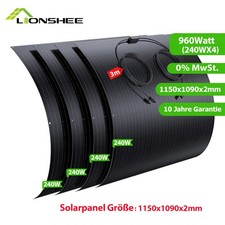 FLE·SOLARMOD960W Flexibel Solarmodul 960 Watt Solarpanel für PV€291±0.0%
 FLE·SOLARMOD960W Flexibel Solarmodul€291±0.0%
 LIO·FLEXIBLELIONSHEE 960W Flexibles Solarmodul 4*240W Solarpanel€291±0.0%
 SOL·RV400W Solar Rv Set Solarpanel Flexibel Kit Mono 2*200W 12V€273±0.0%
 LIO·FLEXIBELLIONSHEE 960W Flexibel Solarpanel Kit€313±0.0%
 FLE·SOLARPAN260W Flexibles Solarpanel Monokristallines PV-Modul mit 300W€210±0.0%
 WAT·SOLARPAN400 Watt Solarpanel 400w Flexibel Solarmodule für Wohnmobil€195±0.0%
 ECO·WORTHYECO-WORTHY 400W Flexibles Solarpanel Solarmodul für€190±0.0%
 STU·FLEXIBEL480W | 2 Stück 240W Flexibel Solarpanel Solarmodul für€175±0.0%
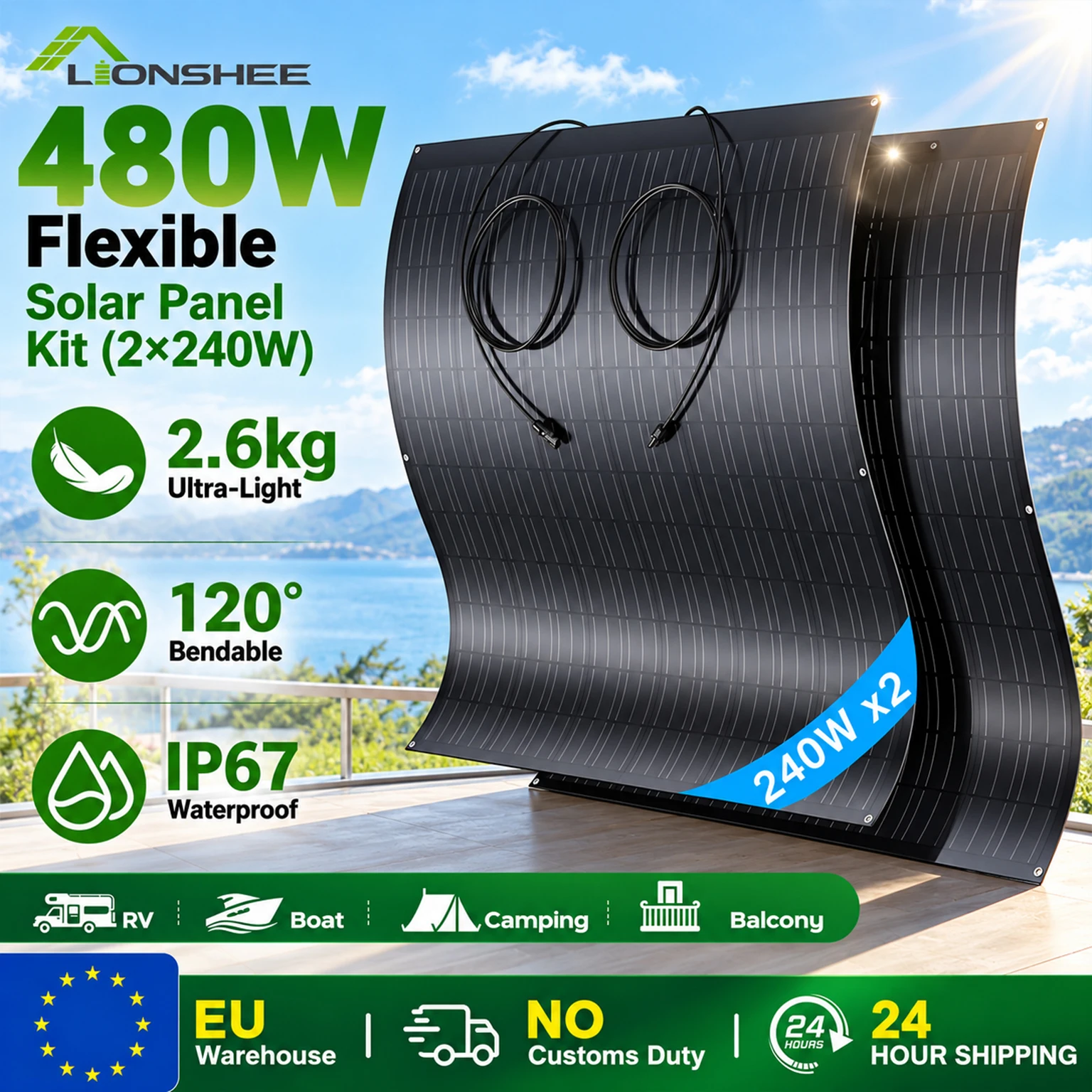 LIO·FLEXIBLELIONSHEE 480W flexibles Solarpanel-Set (2 x 240 W)€171–
 FLE·SOLARMOD480W FLEXIBEL SOLARMODUL PV SOLARPANEL FÜR BALKONKRAFTWERK€165±0.0%
 FLE·SOLARMOD480W FLEXIBEL SOLARMODUL€165±0.0%
 FLE·SOLARMOD480W Flexibel Solarmodul Flex Solarpanel für Balkonkraftwerk€165±0.0%
 LIO·FLEXIBELLIONSHEE 480W FLEXIBEL SOLARPANEL€165±0.0%
 DOK·SOLARPANDokio Solarpanel 400w Flexibel Solarmodule für Wohnmobil€162±0.0%
 FLE·SOLARPAN130W 260W Flexibel Solarpanel Solarmodule Kit solaranlage€160±0.0%
 FLE·SOLARPAN400W 200WX2 Flexibles Solarpanel Solarmodul für Wohnmobil€139−12.0%
 FLE·SOLARMOD1000W 800W 400W Flexibel Solarmodul Solarpanel Kit Wohnmobil€130±0.0%
 SOL·FLEXIBEL200W Solarpanel Flexibel Monokristallin 12V Solarmodul für€126±0.0%
 FLE·SOLARMOD200W Flexibel Solarmodul Solarpanel 18V Monokristallin für€126±0.0%
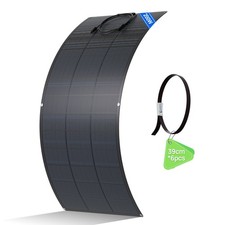 ECO·WORTHYECO-WORTHY 200W Flexibles Solarpanel Solarmodul für€120±0.0%
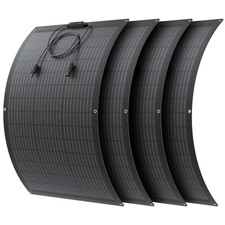 FLE·SOLARMOD130W 260W 520W Flexibel Solarmodul Solarpanel Mono Wohnmobil€118±0.0%
 LIO·FLEXIBELLIONSHEE 480W Flexibel Solarpanel Kit€179±0.0%
 FLE·SOLARMOD100W 200W 400W Flexibel Solarmodul Solarpanel Mono Wohnmobil€100±0.0%
 FLE·SOLARPAN200W 400W 800W Flexibles Solarpanel Solarmodul für Wohnmobil€96±0.0%
 FLE·SOLARPAN240W Flex-SOLARPANEL FLEXIBEL SOLARPANEL SOLARMODUL FÜR€84±0.0%
 FLE·SOLARMOD240W Flexibles Solarmodule€83±0.0%
 FLE·SOLARMOD240W Flex-SOLARMODULE FLEXIBLES BIEGSAMES SOLARPANEL FÜR€79±0.0%
 ECO·ECOECO-WORTHY 400W Solarpanel Flexiblel,25% hohe Umwandlung€210+17.6%
 SOL·FLEXIBEL170W Solarpanel Flexibel Monokristallin 12V Solarmodul für€67±0.0%
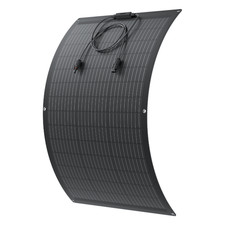 FLE·SOLARPANFlexibel Solarpanel 12V 130W Mono Solarmodul Wohnmobil€60±0.0%
 DOK·SOLARPANDokio Solarpanel 12V 100W Monokristallin Flexibel 200w 400w€59±0.0%
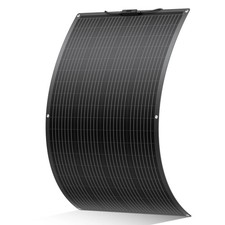 FLE·SOLARPAN100W 120W 130W 170W 200W Flexibel Solarpanel Solarmodul Mono€56±0.0%
 ENJ·BALKONKRBalkonkraftwerk 800W_RC® MI2S-800D + 200W*4 Flexible€293±0.0%
 AYS·SOLARPANAysolar 100W 18V Solarpanel Flexibel Monokristalline€56±0.0%
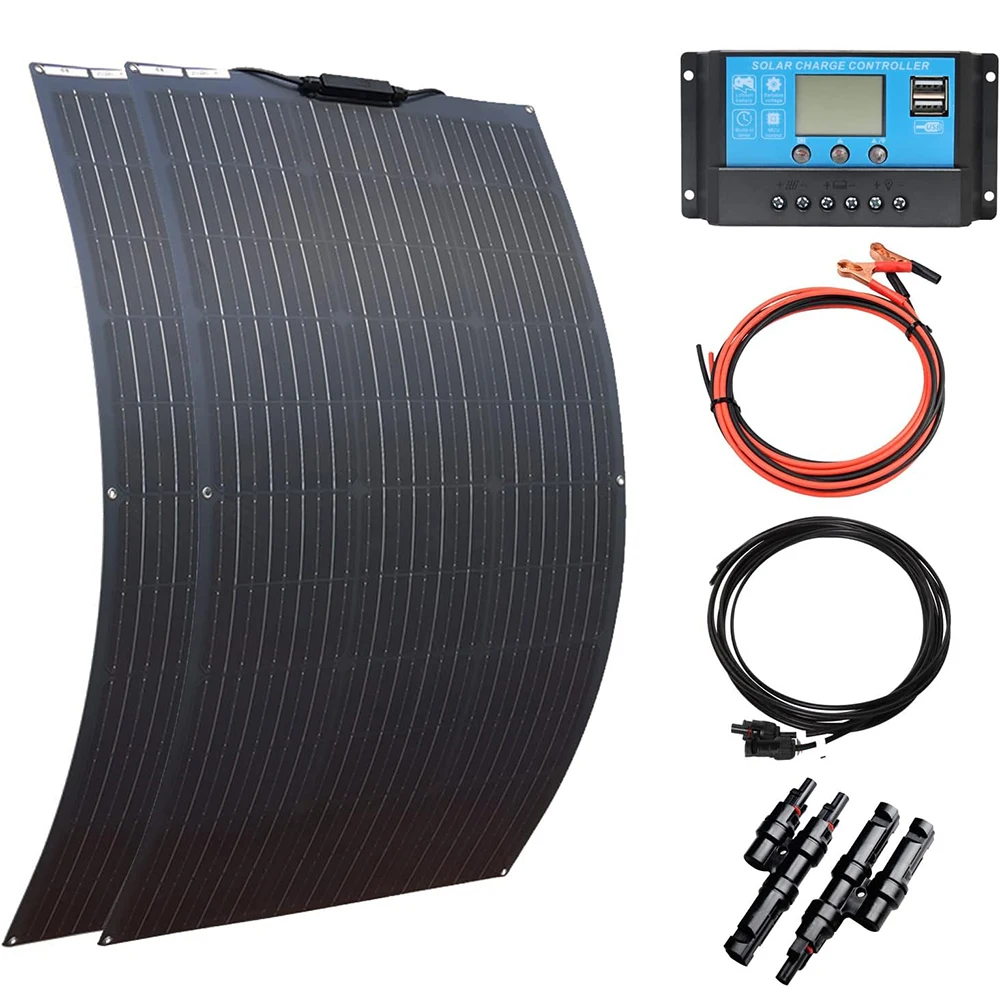 SET·FLEXIBLE200W Set mit flexiblem Solarpanel: 2 x 100W-monokristallines€142±0.0%
- FLE·SOLARMOD800W Flexibles Solarmodul Solarpanel für Wohnmobil Balkonkraftwerk800 Wp · Flexible€360±0.0%––
- LIO·BALKONKRLionshee Balkonkraftwerk 960W/800W Solaranlage mit FLEXIBEL SOLARPANEL960 Wp · Balcony solar kit€384±0.0%−6.0%−6.0%21 d
- FLE·SOLARPAN200W - 1000W Flexibel Solarpanel Kit Solarmodul Camper Wohnmobil200 Wp · Camping / off-grid€399±0.0%±0.0%±0.0%7 d
- BAL·SETBalkonkraftwerk Set - RC® MI2S-800D + 200W*4 Flexible Solarmodul200 Wp · Balcony solar kit€293±0.0%±0.0%±0.0%
- FLE·SOLARMOD960W Flexibel Solarmodul 960 Watt Solarpanel für PV960 Wp · Flexible€291±0.0%±0.0%±0.0%24 d
- FLE·SOLARMOD960W Flexibel Solarmodul960 Wp · Flexible€291±0.0%±0.0%±0.0%16 d
- LIO·FLEXIBLELIONSHEE 960W Flexibles Solarmodul 4*240W Solarpanel Wohnmobil960 Wp · Camping / off-grid€291±0.0%±0.0%±0.0%24 d
- SOL·RV400W Solar Rv Set Solarpanel Flexibel Kit Mono 2*200W 12V Solaranlage400 Wp · Camping / off-grid€273±0.0%±0.0%±0.0%7 d
- LIO·FLEXIBELLIONSHEE 960W Flexibel Solarpanel Kit960 Wp · 240 Wp€313±0.0%––
- FLE·SOLARPAN260W Flexibles Solarpanel Monokristallines PV-Modul mit 300W260 Wp · Balcony solar kit€210±0.0%––
- WAT·SOLARPAN400 Watt Solarpanel 400w Flexibel Solarmodule für Wohnmobil Boot400 Wp · 400 Wp€195±0.0%±0.0%+11.4%23 d
- ECO·WORTHYECO-WORTHY 400W Flexibles Solarpanel Solarmodul für Wohnmobil400 Wp · 400 Wp€190±0.0%±0.0%±0.0%
- STU·FLEXIBEL480W | 2 Stück 240W Flexibel Solarpanel Solarmodul für Wohnmobil480 Wp · Camping / off-grid€175±0.0%±0.0%±0.0%24 d
- LIO·FLEXIBLELIONSHEE 480W flexibles Solarpanel-Set (2 x 240 W) – 120° biegsames480 Wp · Balcony solar kit€171–––
- FLE·SOLARMOD480W FLEXIBEL SOLARMODUL PV SOLARPANEL FÜR BALKONKRAFTWERK WOHNMOBIL480 Wp · 480 Wp€165±0.0%±0.0%±0.0%
- FLE·SOLARMOD480W FLEXIBEL SOLARMODUL480 Wp · 480 Wp€165±0.0%±0.0%±0.0%17 d
- FLE·SOLARMOD480W Flexibel Solarmodul Flex Solarpanel für Balkonkraftwerk mit 3 m480 Wp · 480 Wp€165±0.0%±0.0%±0.0%24 d
- LIO·FLEXIBELLIONSHEE 480W FLEXIBEL SOLARPANEL480 Wp · 240 Wp€165±0.0%±0.0%±0.0%24 d
- DOK·SOLARPANDokio Solarpanel 400w Flexibel Solarmodule für Wohnmobil Boot Balkon400 Wp · Camping / off-grid€162±0.0%±0.0%±0.0%
- FLE·SOLARPAN130W 260W Flexibel Solarpanel Solarmodule Kit solaranlage Mono130 Wp · Camping / off-grid€160±0.0%±0.0%±0.0%12 d
- FLE·SOLARPAN400W 200WX2 Flexibles Solarpanel Solarmodul für Wohnmobil400 Wp · Camping / off-grid€139−12.0%−12.0%−12.0%24 d
- FLE·SOLARMOD1000W 800W 400W Flexibel Solarmodul Solarpanel Kit Wohnmobil1000 Wp · Camping / off-grid€130±0.0%±0.0%±0.0%21 d
- SOL·FLEXIBEL200W Solarpanel Flexibel Monokristallin 12V Solarmodul für Wohnmobil200 Wp · Camping / off-grid€126±0.0%––
- FLE·SOLARMOD200W Flexibel Solarmodul Solarpanel 18V Monokristallin für Wohnmobil200 Wp · Camping / off-grid€126±0.0%±0.0%±0.0%28 d
- ECO·WORTHYECO-WORTHY 200W Flexibles Solarpanel Solarmodul für Wohnmobil200 Wp · 200 Wp€120±0.0%±0.0%±0.0%10 d
- FLE·SOLARMOD130W 260W 520W Flexibel Solarmodul Solarpanel Mono Wohnmobil130 Wp · Camping / off-grid€118±0.0%––
- LIO·FLEXIBELLIONSHEE 480W Flexibel Solarpanel Kit480 Wp · 240 Wp€179±0.0%±0.0%−14.3%
- FLE·SOLARMOD100W 200W 400W Flexibel Solarmodul Solarpanel Mono Wohnmobil100 Wp · Camping / off-grid€100±0.0%±0.0%±0.0%
- FLE·SOLARPAN200W 400W 800W Flexibles Solarpanel Solarmodul für Wohnmobil200 Wp · Flexible€96±0.0%±0.0%±0.0%24 d
- FLE·SOLARPAN240W Flex-SOLARPANEL FLEXIBEL SOLARPANEL SOLARMODUL FÜR240 Wp · Camping / off-grid€84±0.0%±0.0%+6.4%
- FLE·SOLARMOD240W Flexibles Solarmodule240 Wp · Camping / off-grid€83±0.0%––
- FLE·SOLARMOD240W Flex-SOLARMODULE FLEXIBLES BIEGSAMES SOLARPANEL FÜR WOHNMOBIL240 Wp · Camping / off-grid€79±0.0%––
- ECO·ECOECO-WORTHY 400W Solarpanel Flexiblel,25% hohe Umwandlung400 Wp · 400 Wp€210+17.6%+17.6%+17.6%26 d
- SOL·FLEXIBEL170W Solarpanel Flexibel Monokristallin 12V Solarmodul für Wohnmobil170 Wp · Camping / off-grid€67±0.0%±0.0%±0.0%10 d
- FLE·SOLARPANFlexibel Solarpanel 12V 130W Mono Solarmodul Wohnmobil Camping Balkon130 Wp · Camping / off-grid€60±0.0%±0.0%±0.0%13 d
- DOK·SOLARPANDokio Solarpanel 12V 100W Monokristallin Flexibel 200w 400w 1000w100 Wp · Camping / off-grid€59±0.0%±0.0%±0.0%29 d
- FLE·SOLARPAN100W 120W 130W 170W 200W Flexibel Solarpanel Solarmodul Mono für100 Wp · Flexible€56±0.0%±0.0%±0.0%20 d
- ENJ·BALKONKRBalkonkraftwerk 800W_RC® MI2S-800D + 200W*4 Flexible Solarmodul + 5m200 Wp · Balcony solar kit€293±0.0%±0.0%±0.0%
- AYS·SOLARPANAysolar 100W 18V Solarpanel Flexibel Monokristalline Flexible100 Wp · Camping / off-grid€56±0.0%±0.0%±0.0%24 d
- SET·FLEXIBLE200W Set mit flexiblem Solarpanel: 2 x 100W-monokristallines flexibles200 Wp · Camping / off-grid€142±0.0%––
Flexible panels weigh only a fraction of classic glass panels and can be fitted to slightly curved surfaces. Here you'll find single panels and multi-packs for balconies, campervans and boats.
Pros and cons of flexible panels
Flexible panels usually consist of cells on a plastic backing layer with an ETFE or PET surface. A 200 Wp panel often weighs just a few kilograms. That makes them attractive for balconies with limited load capacity, for rented flats where drilling isn't allowed, and for motorhome roofs.
On the other hand, they generally age faster than glass panels, because heat and UV light put more strain on the plastic layers. Performance warranties are often shorter. If the panel lies directly on a surface without rear ventilation, it gets hotter and delivers less power.
Buying criteria
With flexible panels, it pays to take a close look at the datasheet:
- Surface: ETFE is considered more resistant and durable than PET.
- Voltage: 12 V panels (open circuit around 18–22 V) are designed for charge controllers and batteries; balcony power plant inverters need the right input voltage, often achieved by connecting panels in series.
- Bending radius: don't exceed the specified maximum curvature, or the cells may crack.
- Connectors: MC4-compatible plugs make wiring easier.
- Fixing: eyelets for cable ties or adhesive surfaces – glued panels are hard to remove later.
Use in a balcony power plant
For balcony power plants, there are flexible kits with four panels of 200 to 240 Wp each, which together reach the usual 800 to 960 Wp. They can be attached to the railing with cable ties. Make sure the panels don't flap or rub in the wind – over time, this damages the cells. The legal situation is the same as for glass panels: 800 watts of feed-in and registration in the Market Master Data Register.
Flexible or glass: how to decide
Go for flexible panels if weight, a ban on drilling or curved surfaces are the deciding factors – for example on a motorhome roof, a boat deck or a lightweight railing. If you have a sturdy mounting option and enough space, glass panels are usually the more economical choice over their lifetime, because they age more slowly and are often cheaper per Wp. In both cases, compare the performance warranty and the temperature coefficient.